
Spinal Cord Stimulation Explained
- Category: Articles, Back Pain, More About Us, News
- No Comments
As spine specialists in Seattle we have the opportunity to help many people that are suffering from chronic back pain. We know the burden that pain can place on life and family and are dedicated to exploring new and traditional options for treating pain. One treatment that has proven effective is known as spinal cord stimulation. If you aren’t familiar with this procedure, keep reading and learn more.
What is Spinal Cord Stimulation?
Spinal cord stimulation uses a small stimulator device to deliver electrical signals to the spine. Stimulating the spine with small electrodes has known analgesic (or pain relieving) properties. This procedure can be used to treat a variety of different conditions, but is most commonly used to treat failed back surgery syndrome, complex regional pain syndrome and other intractable spine related pain conditions. It is an option that is generally used only after other less invasive treatment options have failed. It can be an effective way to reduce the amount of pain medication needed.
How Does the Stimulator Work?
Spinal cord stimulation uses a small impulse generator (stimulator) implanted under the skin to provide pain relief. The small device is placed under the skin on the lower back or buttocks. A thin wire travels under the skin from the stimulator to the epidural space at an appropriate level of the cervical, thoracic or lumbar spine in close proximity to the surface lining of nerve tracks in the spinal canal. It is not directly on the spinal cord, but remains in a potential space called the epidural space similar to epidural injections for steroids and also for labor analgesia. This tiny electrode coated wire will carry the electrical current from the impulse generator to the spine. When the stimulator is turned on it sends extremely low electrical stimulates the nerves creating a tingling sensation. The electrical impulses interfere with the body’s ability to transmit pain signals to the brain, thus resulting in less pain and discomfort. The effectiveness of this treatment varies from patient to patient. Some people find that the tingling sensation is uncomfortable reducing the effectiveness of this treatment option.
In some instances we will test the effectiveness of spinal cord stimulation before implanting a stimulator. If a stimulator is implanted and needs to be removed for any reason it can often be done without permanent damage to the back or spine.
Who Can Benefit from Spinal Cord Stimulation?
Some patients and conditions are better suited for this treatment option than others. The best way to tell if you are a good candidate is to talk with your doctor. We love helping patients find solutions for their back pain and would be happy to meet with you and discuss your condition including if spinal cord stimulation is right for you. Only a doctor can determine if you might benefit from this procedure and help you decide if the risks of this procedure are worth the benefits.
What Are the Risks?
As with any procedure in medicine and surgery, there are risks associated with spinal cord stimulation. Implanting the device is invasive and can lead to infection, bleeding and dural puncture. Electrical devices can fail, and even with a successful implantation the device may need to be replaced or repaired. This procedure is effective in about 50-70% of cases. It is important to have a successful trial before implantation of permanent device. The trial procedure is relatively less invasive and does not require surgery per se. The trial device is inserted temporarily under the skin and taped for 1-3 days usage to check things out.
Permanent implantation is recommended only for patients that report pain relief of 70% or greater. We do not recommend implantation for 50% pain relief during the trail period. Once you have a device like this implanted you will need to follow with your specific device manufacturers and physician for long term care and guidance which might include restrictions and avoidance of electromagnetic or ultrasound environment. Your doctor can explain all of the risks of this procedure.
If you have back pain contact us today and schedule an appointment.
At the Spine Institute Northwest we specialize in advanced diagnosis and pain relief treatment for acute and chronic neck, thoracic and lumbar conditions using minimally invasive spine surgery in Seattle. We would love to help you find a solution to your back pain.
Read more
Common Spinal Anatomy Terms Explained
At the Spine Institute Northwest we offer sciatica relief and spine surgery in Seattle. Since we help patients with their spine problems every day, we are very used to the complex terminology and medical terms involving the spinal anatomy and common types of treatment. Our patients however aren’t always as familiar with these terms. Here are some common spinal anatomy terms explained. We are always happy to explain any terms to you, so if you have any questions when talking with your doctor or before your minimally invasive spine surgery, just ask.
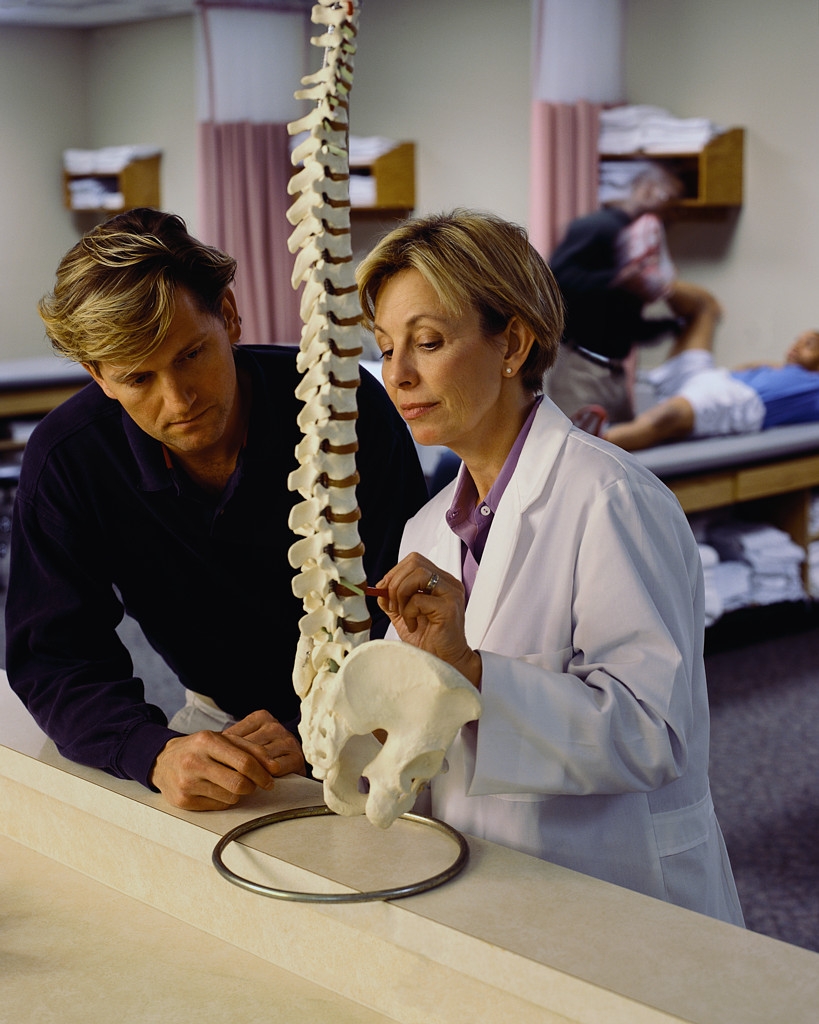
- Spinal Column- Back pain often originates in the spinal column which consists of the spinal cord, bones, muscles and other tissues found in this area.
- Endoscopy- Endoscopy allows your doctor to see inside of your body to better diagnose and treat your back pain. A tool known as an endoscope is inserted into the body. Your doctor can look into the endoscope and get a better idea of what is going on inside of the body.
- Vertebrae- Vertebrae are the bones that surround your spinal cord providing structure and protection. Most people have 33 vertebrae broken into 3 categories: lumbar, thoracic and cervical. Sacrum is also a part of the spine and is found right below your lumbar vertebrae followed by coccyx (also known as tailbone).
- Fluoroscopy- Fluoroscopy is a real time x-ray that provides your doctor with a live view of what is going on inside of your body. We often use fluoroscopy during procedures to guide needles and to make sure that we provide treatment to the right areas of your back and spine.
- Lumbar- Lumbar refers to the lower back region.
- Disc- In between your vertebrae there are discs, bits of flexible tissue that absorb shock and keep the vertebrae from hitting each other. As you age they can break down causing back pain and other problems.
- Epidural Space- The epidural space is an area in the spinal column where many nerve endings and blood vessels are located. Some of our treatments involve injecting steroids and pain relievers into this space. Steroids can reduce inflammation while pain relievers can reduce discomfort. Many of these treatments are provided as an alternative to spine surgery in Seattle.
- Thoracic- The thoracic section of the spine refers to the mid back area.
- Cervical- The cervical section of the spine is in the neck area.
- Sacrum- The sacrum is the bottom of the spine. It is a large triangle shaped bone that is found between the two hip bones.
As you can see there is lot of terminology involved in treating spine and back problems. These are just a few of the many terms that you may hear as you visit our offices and talk with our doctors. Don’t the terminology scare you though; we are always happy to explain anything you don’t understand. Finding a solution to your back pain is worth learning a few new words! Contact us today and let the Spine Institute Northwest help you with your spine problems, back pain and sciatica relief in Seattle.
To learn more, comment or suggest topics of interest to you, click here.
Read more10 Facts About The Epidural
- Category: Back Pain, More About Us, Stenosis, Treatments for Back pain
- No Comments
Many people have heard of the epidural as a pain relief option for women during childbirth, but that isn’t its only purpose. An epidural can also be an effective pain management and treatment option for those experiencing back pain. Let’s learn more about this procedure by exploring 10 facts about the epidural.
Fact #1- Epidurals for Labor and Delivery are Different from Epidurals for Back Pain
While the procedure is very similar when administering a labor and delivery epidural and a back pain epidural, the types of medication used will vary quite a bit. Epidurals for back pain often contain a corticosteroid (a powerful anti-inflammatory) to reduce swelling and discomfort. Epidural steroid injections are also commonly guided by fluoroscopy to ensure that the treatment is placed at the exact point of the problem.
Fact #2- Epidural Steroid Injects Use Two Different Pain Relief Medicines
Epidural steroid injects often use two different medications to treat back pain. The first is usually a numbing agent like Lidocaine to provide immediate pain relief. The second medication is a steroid that will work to reduce inflammation and discomfort. Steroids don’t reduce pain as quickly as the numbing agent, but provide a longer lasting effect.
Fact #3- Back Pain, Nausea and Headache Are Potential Side Effects of an Epidural Steroid Injection
Side effects from an epidural injection are rare and when they do occur they are often minor. Side effects can include back pain or tenderness at the injection site, feeling sick to your stomach or vomiting, dizziness and headache. Serious side effects happen very rarely and include bleeding, infection, nerve root injury and meningitis. Various physical and mental conditions can impact your risk for side effects. Talk with your doctor about any concerns you may have regarding side effects and the risks of this treatment.
Fact #4- Epidural Injections Are a Short Term Pain Relief Solution
Epidural injections can be an effective pain relief solution, but the effects typically only last 2-3 weeks. Epidural injections are a treatment option, but are not a cure for spinal stenosis or other conditions.
Fact #5- Can Be An Effective Treatment for Spinal Stenosis and Other Conditions

Epidural steroid injections can be used to provide temporary pain relief for a variety of different conditions including spinal stenosis, herniated discs and degenerative disc disease.
Fact #6- The Length of Pain Relief Varies from Patient to Patient
The effectiveness of this treatment can vary from patient to patient. Pain relief if present can be few days to few weeks. There is a wide range reported by patients regarding the duration of benefit.
Fact #7- Epidural Injections Can Increase Discomfort in Patients with Some Congenital Problems
If spinal stenosis is caused by a congenital problem like a small spinal column the epidural injection may actually increase pain and discomfort. This treatment is more effective for those suffering from the spinal stenosis due to osteoarthritis and other degenerative diseases.
Fact #8- Imaging Scans or Fluoroscopy Are Often Used to Guide the Needle in this Procedure
During the procedure your doctor will probably use a fluoroscope (live x-ray) to guide the needle to the correct location. This helps to ensure that the medication will be able to treat the nerves that are causing the discomfort.
Fact #9- Epidural Injections Can Be Completed on an Outpatient Basis
You don’t have to spend time in the hospital to get an epidural injection. We can typically complete this procedure in our offices. We do ask that you bring someone along to drive you home since you won’t be able to drive for a short time after your procedure.
Fact #10- Your Doctor Can Determine if an Epidural Can Help You with Your Back Pain
Your doctor will be the best judge of if this procedure is right for you. Talk with them and ask any questions that you may have.
An epidural steroid injection is just one of many pain relief options for those experiencing back pain. If you have back pain there are things that we can do. Contact us at the Spine Institute Northwest and let us help you manage your back and spine pain.
Read moreCan Stretching Help My Back Pain?
- Category: Articles, Back Pain, Stenosis, Treatments for Back pain
- No Comments
Many back pain treatments and procedures must be completed in our offices, but there is something that you can do at home that may provide back pain relief: stretching. Talk to your doctor and find out if this could be an effective option for your condition.
How Does Stretching Help Combat Back Pain?
Stronger bodies are better able to withstand stress. Physical therapy, stretching and an active lifestyle may promote healing and rehabilitation. The spinal column is a complex combination of muscles, bones, ligaments and other tissues. Stretching can increase the range of motion in this area. In many cases this can have a positive effect on back pain.
If you are already experiencing back pain it can take several weeks or even months before the pain relieving effects of stretching are felt. It takes time to get the spine moving again and restoring a proper range of motion will not happen overnight.

Stretching Tips
- Dress Appropriately- Stretching is easiest when you wear loose, comfortable clothing. Try to avoid clothing that binds the body or constricts your movement.
- Don’t Force It- Stretching shouldn’t hurt. Do not force yourself into positions that are painful or overly difficult.
- Don’t Bounce- Move into stretches slowly and carefully. Avoid bouncing since this can tear your muscles and cause injury.
- Consult Your Doctor- Talk with your doctor before starting a stretching program. They will be able to let you know which stretches can help your condition and which stretches to avoid during your treatment process. At The Spine Institute Northwest may utilize MedX medical machines as a part of your treatment.
What Are MedX Machines?
MedX machines are similar to the exercise machines you will find at the gym, but they are specifically designed for physical therapy purposes. We often use the spine machines to treat and diagnose various spinal problems including strains, sprains, herniated discs, degenerative disc disease, spondylolisthesis and spinal stenosis. Research indicates that stretching and strengthening the spine may help patients to avoid spinal surgery.
Every case of spine and back pain is different. Some of our patients find great results from medications while others require surgery. Contact us at The Spine Institute Northwest and let us help you find the best treatment method for your situation. If you don’t currently have back or spine pain, start stretching now. A strong spinal column will be better able to deal with the stresses of daily life and is less likely to experience spine pain.
To learn more, comment or suggest topics of interest to you, click here.
Read moreUnderstanding Selective Nerve Root Block
- Category: Back Pain, Treatments for Back pain
- No Comments
When you are in pain, you want relief. However, it is still important to do your research and find the best pain relief options for your situation. Here at the Spine Institute Northwest we offer many different medications, therapies and treatments to relieve and reduce back pain. One of these is called the selective nerve root block.
What is a Selective Nerve Root Block?
A selective nerve root block is a spinal injection. Some doctors may call this treatment a facet block since the injection will be placed in an area known as the facet joint. It is often used to treat lower back and leg pain, but that isn’t its only purpose. Its primary use is to find and diagnose the source of nerve root pain. This will allow your doctor to better treat your pain and to find the therapies that will be most effective.
How is the Procedure Completed?
A selective nerve root block procedure can easily be completed in a couple of hours from the comfort of our offices. The patient will lie on their stomach while a numbing and/or cleaning solution is applied to the patient’s skin. The doctor will use a special fluoroscope, an imagining x-ray tool that will allow the doctor to see exactly where the injection should be placed, to place the injection needle. Then the doctor will inject medication into the site, usually a combination of a painkiller and a steroid. The entire procedure will probably take less than an hour.
How Does a Selective Nerve Block Help Find Nerve Pain Location?
Once a nerve block procedure is completed your doctor will typically ask if your pain has subsided. If you notice a reduction in pain, the doctor can assume that the injection site is the location of your nerve pain. Imaging can find nerve pain in some instances, but this procedure tends to be more effective, especially in cases where imaging results are not clear.
How Can I Prepare for This Procedure?
A selective nerve root block is a relatively simple procedure and can be performed in our offices. You won’t be able to drive home after, so arrange for a ride before coming in. Wear comfortable clothing that is easy to put on and take off. We also recommend that you avoid strenuous activity for at least 24 hours after the procedure. Your doctor will give you more specific information before and after your procedure.
Finding nerve pain is the first step to being able to treat it. The selective nerve block procedure here at Spine Institute Northwest is an effective tool for finding and diagnosing the specific site of nerve pain. It can also be used to treat lower back and leg pain. If you have any questions about this procedure or wonder if it might be an effective treatment option for you, ask your doctor. To learn more, comment or suggest topics of interest to you, click here.
Read moreEndoscopically Assisted Spinal Decompression
INTRODUCTION:
This revolutionary procedure is unlike any previous spine surgery (such as laminectomy or fusion). Using a needle guide with and endoscope under local anesthesia, the damaged disc is visualized under magnification and repaired from the inside. Damaged tissue sections and loose fragments are removed. Using Laser and Radiofrequency (RF) to create shrinkage, the bulging disc segment is pulled back into its original position while creating a stronger lining. Endoscopic microdiscectomy is different from other surgeries in that adjacent muscle and tissue damage is minimized and your anatomy remains intact.
This procedure was invented in the early 1950′s. There are over 30,000 published case reports. In recent times, new technology with laser and RF, in combination with improved optics, has given us minimally invasive access to segments of disc that were not previously considered for surgery. This enabled us to have more access to visualize segments of disc that were either not previously considered or were approached using much more invasive open spine surgeries. This is a curative and restorative procedure for cervical, thoracic and lumbar spine.
PATIENT INFORMATION:
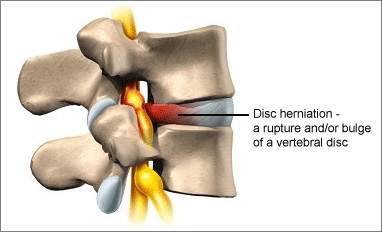
Endoscopically Assisted Spinal Decompression (ED): The selective removal of targeted portions of a bulging disc. This procedure is only performed if the disc is the major source of the patient’s back, neck, leg, or arm pain.
Discoplasty (Nucleoplasty and/or Annuloplasty): Repair of disc damage procedure. It can be achieved by shrinking the inner or outer portions of the intervertebral disc using various techniques such as radiofrequency, coblation, ultrasound, heat (electro-thermal energy), or laser. This shrinks and tightens the disc, which in turn causes the herniation to recede and stop compressing on the nerve. This starts the healing process of an annular tear.
Procedure:
Time in actual surgery is about 90 minutes per disc. Intravenous sedation and local anesthetic will be provided. Using fluoroscopy (an advanced form of x-ray that takes still as well as moving x-ray pictures), an entry is made approximately 10 centimeters from the spine. An arthroscope (also called an endoscope) is passed through the incision, subcutaneous tissue and muscle. At the disc, careful entry is made into the interior of the disc, and disc material is manually removed at the site of the herniation. A radio frequency electrode and YAG: Holmium laser is used to control any bleeding, shrink the inner disc tissue, and shrink the annulus (outside rim of the disc). Occasionally, entry is made from both sides of the spine if indicated.
Expected Results:
The ultimate goal is relief from back, neck, leg, or neck pain. After surgery there will be some discomfort in the surgical area. You will be released to home after about an hour of recovery, and will follow up within one week with Dr. Kamson in the office for suture removal and wound care. Follow up with Dr. Kamson is usually 1-4 weeks. Please remain on bed rest until that time. Physical therapy begins at 4-6 weeks. Return to work varies according to patient response and the type of job they do. Occasionally, you will be placed on “light duty” for the initial return to work and increased to “full duty” as tolerated. Your disc begins to heal at about six weeks! Don’t rush getting “back into the swing!”
Back/leg or neck/arm pain may disappear immediately, but may also take up to several months to quiet down. The pain may change in character or increase in severity. This is a normal reaction. Please be patient and remind your family/friends to “hang in there” as you heal from your procedure.
Risks include infection, injury to the local nerves, unusual nerve sensations, continued pain, disc tears and local muscle bruising. Segmental instability (unstable backbone) may require additional surgery to repair. Scar tissue is minimal with this procedure. This is a “band-aid” type procedure with ¼ inch cut to the skin. Scars are very small.
Read moreWhat is a Sacroiliac Joint Block?
- Category: Articles, More About Us
- No Comments
If you have back or spine pain you don’t have to suffer. Throughout our website and in several posts here on our blog we talk about pain management options that we offer to our patients. An experienced spine care doctor will work with you to find and treat your spine and back pain problems. If you have pain, call us and let’s start working toward a solution. One treatment option that we have available is known as the sacroiliac joint block.
What is a Sacroiliac Joint Block?
Many pain management therapies for back and spine pain involve injections and the sacroiliac joint block is no different. These injections are used to both treat pain and find and diagnose the source of lower back pain. Sacroiliac joint blocks are especially useful in treating pain associated with sacroiliac joint dysfunction which is a problem involving the joint that connects the bottom of your spine to your hip.
How is the Procedure Completed?
A sacroiliac joint block is a relatively simple procedure that can be completed in about 10 to 15 minutes in our offices. We will use a live x-ray machine known as a fluoroscope to guide an injection needle to the correct injection site. Then your doctor will inject the treatment medications which generally consist of lidocaine to numb the pain and a steroid to reduce inflammation. After the injection you will need to recover for at least 10 minutes while a nurse discusses discharge and home care after the procedure with you. A sacroiliac joint block procedure generally involves a series of 3 injections administered on 3 separate office visits.
What Are the Risks Associated with this Procedure?
Every procedure carries some level of risk, but in general the risks associated with this procedure are minimal. Your doctor will happily discuss the risks and benefits with you if you ask. There is a risk of swelling or bruising at the injection site and a small risk of infection. Some people notice an increase or change in their pain shortly after the procedure, but this should diminish over time. There is also a very slight risk that the needle will enter the dural sac causing a spinal headache. We take steps to reduce your risks and to ensure the best treatment outcome possible.
How Can I Prepare?
We recommend that you wear comfortable clothing when you come in for a sacroiliac joint block procedure. You won’t be able to drive home, so arrange for a ride before you come in. Keep taking your regular medications, but avoid any other food or drink for 4 hours before your injection. If you have any other questions give us a call. We are happy to help.
Here at the Spine Institute Northwest we utilize some of the most effective back and spine pain treatment methods to help our patients feel better and achieve the quality of life that they desire. If you have back pain contact us and see if a sacroiliac joint block could be an effective choice for managing your pain.
Read moreWhat Role Does Physical Therapy Play in Back Pain Management?
Doctors can use many different treatment options to help relieve chronic back pain in their patients. Prescription pain medication and surgery are two options available to doctors, but they aren’t the only ones. Physical therapy may also be a viable option in handling back pain, especially when used in conjunction with other more conventional treatments.
What is Physical Therapy?
You have probably heard the term physical therapy before, but if you haven’t experienced this type of treatment you may be unfamiliar with what physical therapy really entails. Basically physical therapy combines an understanding of human anatomy and physiology with various stretches and exercises. When used to treat back or spine pain physical therapy focuses on the various muscles, joints, ligaments and tendons in the spinal area. Trained specialists will teach proper exercises and techniques and may educate patients on proper posture, movement, etc.
How Can Physical Therapy Help Back Pain?
Strong bodies can deal with physical stressors more easily than bodies that are not in good shape. Physical therapy helps to strengthen the body which can help prevent future back injuries from occurring. Physical therapy also promotes the healing of strained or problem areas in the back which can lead to the resolution of some conditions and a decrease in pain. Finally, physical therapy can help patients to find and correct improper movements that may be contributing to an underlying back pain problem.
Physical therapy treats back pain using a multi-dimensional approach; it strengthens bodies to prevent future problems, promotes healing and educates patients on proper movement and stretching techniques. Skills learned in physical therapy may help patients to avoid future back pain problems and recover more quickly from pain when it does occur.
Physical therapy is an excellent complement to the other treatment options that may be used by your doctor to treat back pain. For example physical therapy may be used after a surgical procedure to aid in recovery and then continued to build back strength and increase mobility. Physical therapy can complement prescription pain medications and increase comfort in patients. At the Spine Institute Northwest we strive to ensure that each patient receives treatment custom tailored to their condition and needs which may mean a combination of several treatment options including physical therapy.
Is Physical Therapy Right for Me?
Each case of back pain is different and will require different treatment methods. Only your doctor can determine if physical therapy could make a welcome addition to your treatment plan. Physical therapy however can often be used as a complement to back pain treatment as it speeds healing, builds strength and reduces the occurrence of future back problems.
Stop struggling with back pain and schedule an appointment with a back pain specialist today. You don’t have to endure back pain with the many treatment options available through modern medicine.
Read more5 Tips for Choosing a Spine Care Doctor
- Category: Articles, Back Pain, More About Us, Treatments for Back pain
- No Comments
Here at the Spine Institute Northwest we help patients with back pain and spinal problems every day. We have seen firsthand the hardships that can be caused by chronic pain and experience joy each time a patient makes progress in their recovery. If you are experiencing chronic back pain or other spinal problems, help is available. A spine care doctor will help you to find the problem and choose appropriate treatment options. Here are some tips for choosing a spine care doctor.
Decide You Are Ready for Treatment
The first step to choosing a spine care doctor is deciding that you are ready to take action. If you are tired of dealing with back pain and you don’t want the pain to keep getting worse, it might be time to start looking for a spine care doctor.
Find a Doctor Specializing in Spine Care
The spine is a complex collection of bones, nerves and tissues. Proper spine treatment requires a doctor with experience and training in this specific field. Don’t just go to any doctor for your spine and back problems; choose a doctor experienced in spine care. Practices devoted solely to spine treatment, like the Spine Institute Northwest, will have more experience in treating spinal problems than general practice doctors.
Ask for Recommendations
You could just choose your doctor out of the phone book, but that would be like taking a shot in the dark. Ask for recommendations as you look for a spine care doctor. Your physician may know of a good spine doctor in your area. Friends, family and even co-workers may have experience with doctors in this field and often can provide recommendations and referrals.
Check Out Testimonials or Talk with Current Patients
Patients can give you great insight into the type of care you may receive from a doctor or medical practice. Ask potential spine care doctors to see their patient testimonials. Talk with any current or former patients of the practice that you know.
Meet the Doctor
You can learn a lot about a doctor by doing research and calling around, but until you actually sit down with them and talk, you won’t really know if the doctor is a good fit for your needs. Schedule a consultation and meet the doctor. This will give you a chance to ask questions, talk about your situation and determine which doctor can help you achieve your treatment goals.
Choose a spine care doctor with the experience and training needed to give you the care you need. These tips will help you narrow the many choose choices and find the doctor that is right for your situation.
Read moreWhen Will a Spinal Pump Help?
Back pain can fall anywhere in the range from uncomfortable to downright debilitating. The type of pain management used will vary depending on the level of pain and the reason for the back pain. One pain management option is known as the spinal pain pump or an intrathecal pump implant.
What is a Spinal Pump?
A spinal pain pump is a special medical device that dispenses pain medication directly to the spinal cord. The pump is implanted under the abdominal skin and a small catheter runs from the pump to the affected area on the spine. The pump will dispense specialized medication into the spinal fluid to relieve spinal and back pain. Since the pump can deliver the medication right to the affected area, lower doses of medication are needed and the results tend to be better than oral medication. Lower doses also mean fewer side effects.
When is an Intrathecal Pump Implant Used?
A spinal pump is typically used only on patients with severe, chronic pain. It is a good alternative to oral medications for patients that are not receiving adequate pain relief from their current medications or that are experiencing debilitating or extreme side effects from oral medications. Oral treatments spread a medication throughout the entire body, but the spinal pump allows concentrated medication to be delivered precisely to problem areas for a lower dose and decreased side effects.
What Types of Pain Medications are used with a Spinal Pain Pump?
Spinal pain pumps can be used with a variety of different pain relief options making this treatment option a viable choice for many patients. They can be used with local anesthetics, opiods like morphine, adrenergic agonists and other pain relief options. If this treatment option is right for you, your doctors will carefully create a pain relief regiment for your specific problems and needs. It may take time to find the best combination of treatments and medication for your situation. Most spinal pain pumps will need to be refilled with medication every one to six months. The implant can remain in place for several years until the batteries wear out and the pump needs replacing.
How Do I Determine If This Treatment is Right for Me?
Only a doctor can determine if a spinal pain pump can help you with your back pain. Schedule an appointment and come in to our offices. As with any medical procedure there are risks associated with this treatment option. Your doctor can explain the risks and benefits of this treatment option. We would love to discuss your specific problems and find treatment options that will work for you.
An intrathecal pump implant allows pain medication to be delivered directly to your spinal cord allowing for better pain relief and fewer side effects. It is one of many back pain relief options available to our patients.
Read more


