
Suffering from chronic back pain- Part 3
- Category: Articles, More About Us, News, Treatments for Back pain
- No Comments
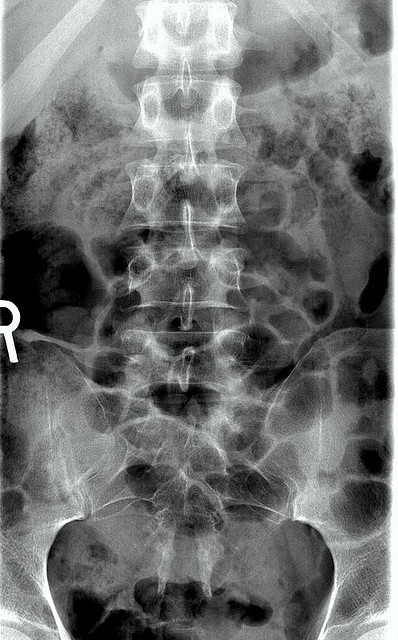 Suffering from chronic back pain is certainly miserable; it isn’t something you’d wish on your worst enemy. Thankfully modern medicine has provided many great minimally invasive back surgery options and treatments to help you find relief and start feeling better. Parts one and two of our Back Pain and Sciatica Relief Procedures series talked about many great treatment options including: endoscopic decompression, facet fixation, interbody fusion, radio frequency neurotomy and endoscopic nerve excision. Now we’re moving on to part 3: pain pump and spinal cord stimulators.
Medications can be an effective way to treat chronic pain, but they aren’t without side effects. When taken orally medications must pass throughout the entire body and a great deal must be taken to ensure enough is delivered to stop your pain. On the other hand when medication is delivered directly to the source of your pain, much less is needed. This means fewer side effects and more effective pain relief. We use a pain pump to deliver pain medication to the precise point where it is needed.
The pain pump is surgically implanted under the skin of your abdomen and a small catheter is run from the pump to the spinal column. The pump and catheter deliver pain medication directly to the spinal fluid. This results in potent pain relief, with relatively low doses of medication. The pain pump is best suited for those with chronic severe pain. We may use it on patients that haven’t responded well to other treatment options and that have had severe side effects like sedation, constipation or nausea from oral medications.
Getting a pain pump installed is a two-step process. We first use a temporary catheter to test out the effectiveness of the treatment on your body. If the trial proves successful we then schedule the pain pump surgery. The actual surgery usually takes a couple of hours and you can go home the same day. Your pump will need to be refilled every few months depending on the type of medication used and the dosage received. Refilling the pump just takes a few minutes and can be done without surgery.
If you suffer from chronic pain, contact us and see if the pain pump could help you to better cope.
Spinal Cord Stimulators
Spinal cord stimulation uses a small implanted device to deliver electrical signals to the spinal nerves. This type of stimulation can have analgesic (pain relieving) properties. It is an invasive procedure and isn’t right for everyone, but it can prove effective for the right patients and help them find relief from chronic back pain.
In our offices we typically use spinal cord stimulation when other options have failed. It is effective in treating failed back surgery syndrome, complex regional pain syndrome and other conditions. If you are interested in this treatment, contact our offices; we would love to discuss your options.
During the procedure a small stimulator device is implanted under the skin, typically in the lower back or buttocks. A thin wire travels from the device to the affected area. When the device is turned on patients report feeling a tingling sensation as the low electrical current stimulates the nerves. Some people find the tingling uncomfortable, so we typically test the effectiveness of your body’s response before implanting a device.
To learn more, comment or suggest topics of interest to you, click here.
Read moreBack Pain and Sciatica Relief Procedures: Part 2
- Category: Articles, Back Pain, More About Us, News, Treatments for Back pain
- No Comments
Here at the Spine Institute Northwest we are always striving to find new and innovative ways to offer our patients back pain and sciatica relief. We have many great minimally invasive surgical procedures available and skilled surgeons with years of experience ready to bring you relief. In part one of this series we talked about endoscopic decompression, facet fixation and interbody fusion. In part two we’ll discuss a couple more procedures: radio frequency neurotomy and endoscopic nerve excision. Our goal is always to help you feel better. Contact us today and see what we can do for you.
Radio Frequency Neurotomy
Radio frequency neurotomy is a procedure that deadens a nerve that is causing pain. This can result in extended pain relief that can last for months and sometimes even years. The radio frequency treatment interrupts the nerves ability to transmit pain signals through the use of thermal heat.
This procedure is done using fluoroscopy, a special type of x-ray that shows live images. We make a small incision and then guide the special radio frequency needles to the affected area. Once the needles are in place we apply thermal energy.
This procedure is completed rather quickly. We do it in our outpatient surgical center and it generally takes less than an hour with a short period of observed recovery time. The results are not completely permanent, but they are long lasting. Depending on how your body responds we may need to complete the procedure again in 6 months to a year. Some patients have pain relief for even longer periods of time.
After the procedure you will be a bit sore, primarily at the area of needle insertion and heat treatment. We recommend taking it easy for a day or two before resuming your regular activities. We’ll discuss specific recovery instructions at the time of your procedure. Radio frequency neurotomy can be an effective procedure for reducing back and neck pain. It is minimally invasive and has an easy recovery process .
Endoscopic Nerve Excision
Endoscopic nerve excision is very similar to the procedure we just discussed. Excision is a medical word meaning removal. During this procedure we remove a nerve that is transmitting pain signals. Although the root cause your pain may still exist, the removal of the nerve causes you to no longer feel the pain.
The major difference between needle RF and this procedure is the use of endoscope. We make a relatively small incision and guide the procedure using an endoscope and fluoroscopy to improve targeting and to reduce the amount of tissue damage. This makes recovery easier, reduces scarring and makes the procedure less painful.
By removing the nerve rather than just deadening it, we can create long lasting results. However, this doesn’t mean that pain will not return. Since this procedure is very new, the current research has tracked outcomes only for the past couple years, yet with satisfactory and very promising long term pain relief results.
Recovering from a nerve excision will take only a bit more time compared to needle Radiofrequency neurotomy. We generally recommend that you take it easy for several days after your procedure. We will provide specific instructions about what you can and cannot do in our offices. You may feel pain and soreness at the surgery site for a few days after the procedure. We typically ask that you have someone else drive you home.
If your back pain is caused by a facet disease, we may able to relieve your pain through one of these two procedures. By removing or deadening the affected nerve we can lessen your pain and increase your comfort levels. Call our offices today and schedule an appointment so we can determine if this procedure is right for you. We bring quality minimally invasive spine surgery to the Seattle area. You don’t have to live with chronic pain; there are many options available.
Don’t forget to check back on our blog. Part three which covers the pain pump and spinal cord stimulators is coming soon.
Read more
Making the Most of Your Recovery Period- Tips for Helping Your Body to Heal
- Category: Articles, Back Pain, More About Us, News, Treatments for Back pain
- No Comments
Wouldn’t it be great if you felt 100% the day after a minimally invasive spine surgery procedure? We strive to provide our patients with the newest spine care technologies and less invasive surgical methods, but recovery still takes time. In the hours, days and weeks after your procedure it is important to properly care for your body so you can heal quickly and start feeling your best. Here are some tips:
Wear Comfortable Clothing
We recommend that our patients come to their spine procedure appointments in comfortable clothing. This is true with almost any procedure from an epidural injection to spinal fusion surgery. After your procedure you may be sore and comfortable clothing will be appreciated. Don’t stop wearing comfy clothing as soon as you get home. Wear clothes that allow you to easily move until your recovery is complete. Comfortable clothing that don’t rub on the incision site are also a key, as having tight clothes with waist line right on the incision site may cause delayed healing and increase chance of infection.
Get the Help You Need
Minimally invasive procedures help you to recover more quickly than traditional surgical methods, but that doesn’t mean you should be out lifting heavy items or mowing the lawn the day you get home. Before your procedure enlist some help for your recovery period. This might mean hiring someone to walk the dogs for a few weeks or having a friend help with the housework. You may also need a little help immediately after your procedure. We recommend that you have someone drive you home, since you may be unable to drive immediately after your surgery.
Don’t Overdo It
Giving your body time to adequately heal is essential to a good recovery. Overdoing it can slow healing or cause permanent damage. Ask your doctor what activities you can safely do and which you cannot do during the recovery period. Bear in mind that some medications may inhibit your ability to drive or operate heavy machinery. Also understand that no matter how good you feel right after surgery, you must follow the instructions you provider has given to you in regards to the activities post operatively!
 Don’t Overset Your Expectations
Ask your doctor to help you set realistic recovery expectations. How soon will you be able to return to work? What are the expected results of the procedure? Realistic expectations will help you plan accordingly and make the needed preparations for a safe recovery. Don’t expect your body to perform better than average. Some of our patients recover more quickly than expected, but others take longer. You cannot force your body to recovering more quickly than it is able.
Ask Questions
Don’t be afraid to ask questions. Your doctor is here to help you choose the best treatment route for your condition. Whether you need sciatica relief or have bulging discs, we can help you determine your best treatment plan. Asking questions will help you understand your options.
Follow Your Seattle Spine Surgeon’s Instructions
You will receive discharge and care instructions after a procedure. Pay close attention to the instructions you receive and follow the directions carefully. Your medications will work more effectively when you take the proper dosages at the proper times. Wait to restore physical activity until your doctor is confident that your body is ready.
Spinal surgery provides many people with back and sciatica pain relief, but recovery is often needed. These tips will help you make the most of your recovery period. Contact us today and see how we can help you.
To learn more, comment or suggest topics of interest to you, click here.
Read more10 Facts About The Epidural
- Category: Back Pain, More About Us, Stenosis, Treatments for Back pain
- No Comments
Many people have heard of the epidural as a pain relief option for women during childbirth, but that isn’t its only purpose. An epidural can also be an effective pain management and treatment option for those experiencing back pain. Let’s learn more about this procedure by exploring 10 facts about the epidural.
Fact #1- Epidurals for Labor and Delivery are Different from Epidurals for Back Pain
While the procedure is very similar when administering a labor and delivery epidural and a back pain epidural, the types of medication used will vary quite a bit. Epidurals for back pain often contain a corticosteroid (a powerful anti-inflammatory) to reduce swelling and discomfort. Epidural steroid injections are also commonly guided by fluoroscopy to ensure that the treatment is placed at the exact point of the problem.
Fact #2- Epidural Steroid Injects Use Two Different Pain Relief Medicines
Epidural steroid injects often use two different medications to treat back pain. The first is usually a numbing agent like Lidocaine to provide immediate pain relief. The second medication is a steroid that will work to reduce inflammation and discomfort. Steroids don’t reduce pain as quickly as the numbing agent, but provide a longer lasting effect.
Fact #3- Back Pain, Nausea and Headache Are Potential Side Effects of an Epidural Steroid Injection
Side effects from an epidural injection are rare and when they do occur they are often minor. Side effects can include back pain or tenderness at the injection site, feeling sick to your stomach or vomiting, dizziness and headache. Serious side effects happen very rarely and include bleeding, infection, nerve root injury and meningitis. Various physical and mental conditions can impact your risk for side effects. Talk with your doctor about any concerns you may have regarding side effects and the risks of this treatment.
Fact #4- Epidural Injections Are a Short Term Pain Relief Solution
Epidural injections can be an effective pain relief solution, but the effects typically only last 2-3 weeks. Epidural injections are a treatment option, but are not a cure for spinal stenosis or other conditions.
Fact #5- Can Be An Effective Treatment for Spinal Stenosis and Other Conditions

Epidural steroid injections can be used to provide temporary pain relief for a variety of different conditions including spinal stenosis, herniated discs and degenerative disc disease.
Fact #6- The Length of Pain Relief Varies from Patient to Patient
The effectiveness of this treatment can vary from patient to patient. Pain relief if present can be few days to few weeks. There is a wide range reported by patients regarding the duration of benefit.
Fact #7- Epidural Injections Can Increase Discomfort in Patients with Some Congenital Problems
If spinal stenosis is caused by a congenital problem like a small spinal column the epidural injection may actually increase pain and discomfort. This treatment is more effective for those suffering from the spinal stenosis due to osteoarthritis and other degenerative diseases.
Fact #8- Imaging Scans or Fluoroscopy Are Often Used to Guide the Needle in this Procedure
During the procedure your doctor will probably use a fluoroscope (live x-ray) to guide the needle to the correct location. This helps to ensure that the medication will be able to treat the nerves that are causing the discomfort.
Fact #9- Epidural Injections Can Be Completed on an Outpatient Basis
You don’t have to spend time in the hospital to get an epidural injection. We can typically complete this procedure in our offices. We do ask that you bring someone along to drive you home since you won’t be able to drive for a short time after your procedure.
Fact #10- Your Doctor Can Determine if an Epidural Can Help You with Your Back Pain
Your doctor will be the best judge of if this procedure is right for you. Talk with them and ask any questions that you may have.
An epidural steroid injection is just one of many pain relief options for those experiencing back pain. If you have back pain there are things that we can do. Contact us at the Spine Institute Northwest and let us help you manage your back and spine pain.
Read moreCan Stretching Help My Back Pain?
- Category: Articles, Back Pain, Stenosis, Treatments for Back pain
- No Comments
Many back pain treatments and procedures must be completed in our offices, but there is something that you can do at home that may provide back pain relief: stretching. Talk to your doctor and find out if this could be an effective option for your condition.
How Does Stretching Help Combat Back Pain?
Stronger bodies are better able to withstand stress. Physical therapy, stretching and an active lifestyle may promote healing and rehabilitation. The spinal column is a complex combination of muscles, bones, ligaments and other tissues. Stretching can increase the range of motion in this area. In many cases this can have a positive effect on back pain.
If you are already experiencing back pain it can take several weeks or even months before the pain relieving effects of stretching are felt. It takes time to get the spine moving again and restoring a proper range of motion will not happen overnight.

Stretching Tips
- Dress Appropriately- Stretching is easiest when you wear loose, comfortable clothing. Try to avoid clothing that binds the body or constricts your movement.
- Don’t Force It- Stretching shouldn’t hurt. Do not force yourself into positions that are painful or overly difficult.
- Don’t Bounce- Move into stretches slowly and carefully. Avoid bouncing since this can tear your muscles and cause injury.
- Consult Your Doctor- Talk with your doctor before starting a stretching program. They will be able to let you know which stretches can help your condition and which stretches to avoid during your treatment process. At The Spine Institute Northwest may utilize MedX medical machines as a part of your treatment.
What Are MedX Machines?
MedX machines are similar to the exercise machines you will find at the gym, but they are specifically designed for physical therapy purposes. We often use the spine machines to treat and diagnose various spinal problems including strains, sprains, herniated discs, degenerative disc disease, spondylolisthesis and spinal stenosis. Research indicates that stretching and strengthening the spine may help patients to avoid spinal surgery.
Every case of spine and back pain is different. Some of our patients find great results from medications while others require surgery. Contact us at The Spine Institute Northwest and let us help you find the best treatment method for your situation. If you don’t currently have back or spine pain, start stretching now. A strong spinal column will be better able to deal with the stresses of daily life and is less likely to experience spine pain.
To learn more, comment or suggest topics of interest to you, click here.
Read moreUnderstanding Selective Nerve Root Block
- Category: Back Pain, Treatments for Back pain
- No Comments
When you are in pain, you want relief. However, it is still important to do your research and find the best pain relief options for your situation. Here at the Spine Institute Northwest we offer many different medications, therapies and treatments to relieve and reduce back pain. One of these is called the selective nerve root block.
What is a Selective Nerve Root Block?
A selective nerve root block is a spinal injection. Some doctors may call this treatment a facet block since the injection will be placed in an area known as the facet joint. It is often used to treat lower back and leg pain, but that isn’t its only purpose. Its primary use is to find and diagnose the source of nerve root pain. This will allow your doctor to better treat your pain and to find the therapies that will be most effective.
How is the Procedure Completed?
A selective nerve root block procedure can easily be completed in a couple of hours from the comfort of our offices. The patient will lie on their stomach while a numbing and/or cleaning solution is applied to the patient’s skin. The doctor will use a special fluoroscope, an imagining x-ray tool that will allow the doctor to see exactly where the injection should be placed, to place the injection needle. Then the doctor will inject medication into the site, usually a combination of a painkiller and a steroid. The entire procedure will probably take less than an hour.
How Does a Selective Nerve Block Help Find Nerve Pain Location?
Once a nerve block procedure is completed your doctor will typically ask if your pain has subsided. If you notice a reduction in pain, the doctor can assume that the injection site is the location of your nerve pain. Imaging can find nerve pain in some instances, but this procedure tends to be more effective, especially in cases where imaging results are not clear.
How Can I Prepare for This Procedure?
A selective nerve root block is a relatively simple procedure and can be performed in our offices. You won’t be able to drive home after, so arrange for a ride before coming in. Wear comfortable clothing that is easy to put on and take off. We also recommend that you avoid strenuous activity for at least 24 hours after the procedure. Your doctor will give you more specific information before and after your procedure.
Finding nerve pain is the first step to being able to treat it. The selective nerve block procedure here at Spine Institute Northwest is an effective tool for finding and diagnosing the specific site of nerve pain. It can also be used to treat lower back and leg pain. If you have any questions about this procedure or wonder if it might be an effective treatment option for you, ask your doctor. To learn more, comment or suggest topics of interest to you, click here.
Read more5 Tips for Choosing a Spine Care Doctor
- Category: Articles, Back Pain, More About Us, Treatments for Back pain
- No Comments
Here at the Spine Institute Northwest we help patients with back pain and spinal problems every day. We have seen firsthand the hardships that can be caused by chronic pain and experience joy each time a patient makes progress in their recovery. If you are experiencing chronic back pain or other spinal problems, help is available. A spine care doctor will help you to find the problem and choose appropriate treatment options. Here are some tips for choosing a spine care doctor.
Decide You Are Ready for Treatment
The first step to choosing a spine care doctor is deciding that you are ready to take action. If you are tired of dealing with back pain and you don’t want the pain to keep getting worse, it might be time to start looking for a spine care doctor.
Find a Doctor Specializing in Spine Care
The spine is a complex collection of bones, nerves and tissues. Proper spine treatment requires a doctor with experience and training in this specific field. Don’t just go to any doctor for your spine and back problems; choose a doctor experienced in spine care. Practices devoted solely to spine treatment, like the Spine Institute Northwest, will have more experience in treating spinal problems than general practice doctors.
Ask for Recommendations
You could just choose your doctor out of the phone book, but that would be like taking a shot in the dark. Ask for recommendations as you look for a spine care doctor. Your physician may know of a good spine doctor in your area. Friends, family and even co-workers may have experience with doctors in this field and often can provide recommendations and referrals.
Check Out Testimonials or Talk with Current Patients
Patients can give you great insight into the type of care you may receive from a doctor or medical practice. Ask potential spine care doctors to see their patient testimonials. Talk with any current or former patients of the practice that you know.
Meet the Doctor
You can learn a lot about a doctor by doing research and calling around, but until you actually sit down with them and talk, you won’t really know if the doctor is a good fit for your needs. Schedule a consultation and meet the doctor. This will give you a chance to ask questions, talk about your situation and determine which doctor can help you achieve your treatment goals.
Choose a spine care doctor with the experience and training needed to give you the care you need. These tips will help you narrow the many choose choices and find the doctor that is right for your situation.
Read more

