
Outpatient Spine Surgery is Safer: Here’s Proof
- Category: News
- No Comments
 We have groundbreaking news to share this week for spine surgery patients. A new study, published in the Feb. 1 edition of the scholarly journal Spine, found that lumbar discectomy patients treated in hospitals had a 50 percent greater rate for complications.
The study’s authors, led by Andrew J. Pugely, MD, at the University of Iowa, reviewed the records of more than 4,000 lumbar discectomy patients from the National Surgical Quality Improvement Program (NSQIP) database. Their analysis showed that hospital-based surgery patients were more likely to experience wound infections or require additional surgery.
In short: outpatient spine surgery, such as the minimally invasive procedures performed at Spine Institute Northwest, is safer for patients, because they experience fewer complications. Readers may wish to review the study’s abstract or full article text here. Below we’ve drafted a brief “FAQ” — by Dr. Solomon Kamson, MD, PhD, for our readers.
Lumbar Discectomy Study Frequently Asked Questions
What is the NSQIP? The National Surgical Improvement Quality Program was created in 2005 by the American College of Surgeons to improve surgical quality and outcomes. Nearly 500 hospitals across the United States participate in the NSIQP database.
How many patients participated in the study? The study reviewed the cases of 4,310 lumbar discectomy (spine surgery) patients who underwent the procedure between 2005 and 2010.
What did the study look for? The study examined the incidence of and risk factors for short-term complications (i.e., within 30 days of surgery) following single level lumbar discectomy. The study also took into account other risk factors such as elevated age, diabetes, previous wound infections, blood transfusion, prolonged operative time, etc..
What did the study’s results find? Nearly 2/3, of discectomies (or 2,658 procedures) were performed on an inpatient basis, and this population had a 6.5% complication rate compared to 3.5% for outpatients (1,652 discectomies). So, by performing the procedure in an outpatient setting, the patient’s risk of complication was significantly reduced.
What did the study’s authors conclude? Patients undergoing outpatient lumbar discectomy had lower overall complication rates than those treated in hospitals. Surgeons should consider outpatient surgery for lumbar discectomy in appropriate candidates.
Final note from Dr. Kamson: This study simply underscores and reinforces our commitment to minimally invasive surgery at Spine Institute Northwest. Our philosophy has always been that less is better, and to utilize less invasive surgery and treatments to help patients at our outpatient facilities.
-Dr. Solomon Kamson, MD, PhD
Read moreRecent Research study on Operative Quality of Life Assessment
- Category: Articles, Back Pain, DECOMPRESSION, News
- No Comments
Here at Spine Institute Northwest we are interested in qualitative and statistical success of all procedures we preform. We track our own patient procedure outcomes and we also follow the latest research data released. We want our patients and other minimally invasive providers to learn about Minimally Invasive Spinal Surgery benefits. Please read below abstract and full article on a 2 year study.
Background
Percutaneous endoscopic lumbar discectomy is a relatively new technique. Very few studies have reported the clinical outcome of percutaneous endoscopic discectomy in terms of quality of life and return to work.
Method
55 patients with percutaneous endoscopic lumbar discectomy done from 2002 to 2006 had their clinical outcomes reviewed in terms of the North American Spine Score (NASS), Medical Outcomes Study Short Form-36 scores (SF-36) and Pain Visual Analogue Scale (VAS) and return to work.
Results
The mean age was 35.6 years, the mean operative time was 55.8 minutes and the mean length of follow-up was 3.4 years. The mean hospital stay for endoscopic discectomy was 17.3 hours. There was significant reduction in the severity of back pain and lower limb symptoms (NASS and VAS, p < 0.05) at 6 months and 2 years. There was significant improvement in all aspects of the Quality of Life (SF-36, p < 0.05) scores except for general health at 6 months and 2 years postoperation. The recurrence rate was 5% (3 patients). 5% (3 patients) subsequently underwent lumbar fusion for persistent back pain. All patients returned to their previous occupation after surgery at a mean time of 24.3 days.
Conclusion
Percutaneous endoscopic lumbar discectomy is associated with improvement in back pain and lower limb symptoms postoperation which translates to improvement in quality of life. It has the advantage that it can be performed on a day case basis with short length of hospitalization and early return to work thus improving quality of life earlier.
To read the entire Research article, Click here.
Read moreNew Spinal Organization Founded-SASI
- Category: Articles, More About Us, News
- No Comments

It’s always exciting when a new organization is founded to better advance spinal care and research. The Society for Advanced Spinal Intervention (also known as SASI) has recently been established to provide training and education to physicians regarding spinal care. This is an exciting development that could lead to better trained physicians and better treatment for those suffering from spinal pain, sciatica and related disorders.
SASI holds a special place in our hearts here at the Spine Institute Northwest since it is a project that our own Dr. Solomon Kamson is very involved in. He is spearheading the project and is serving as president. But, he isn’t in this alone. SASI is the brainchild of many great minds, each with a passion for spine care, and we expect to see many great things come from this organization in the coming months and years.
In the coming months SASI plans to work toward establishing a U.S. based training and credentialing system that will bring doctors the knowledge and expertise they need for advanced spinal procedures. Following the implementation of the U.S. based program SASI will begin work on establishing similar training and credentialing for doctors worldwide. The medical world is changing and now more than ever doctors need access to training that will help them take care of patients effectively and economically.
SASI’s goal of establishing standardized training and credentialing holds the possibility of providing much benefit to doctors worldwide. The advanced techniques being used and implemented are constantly changing and standardized requirements for training could be very beneficial. Additionally SASI will work with doctors and others to spread awareness of the available treatments and techniques for back and spine pain. Invasive surgeries are frequently avoidable and often minimally invasive spinal surgeries are available. This organization will promote better spinal treatment through education, advocacy and more.
We are always excited about new developments in the spinal health field and for the possibilities of better care that these can mean for our patients. We are proud of Dr. Kamson’s work with this new organization and look forward to seeing many great things come from SASI.
Read more10 Things your doctor may Not Tell You -Part 3
- Category: Articles, Back Pain, More About Us, Stenosis, SURGEONS
- No Comments
Here is the final part in our series about secrets your doctor may have about back and spine surgery. We hope you’ve learned something new and that you have a better understanding of how to protect yourself and get the care you need. If you need a great spine care surgeon and live in the Seattle area, contact us at Spine Institute Northwest. Our skilled surgeons would be happy to help you find relief.
Secret #21: Be Honest with Your Doctor
Many patients lie about their medical history, but this can be detrimental to your care. Be honest about all surgeries you’ve received, including plastic surgery. Past surgeries can pose unique challenges to doctors and the outcome will be better if your doctor has time to prepare. Being honest about your medical history will help you to get the best care possible.
Secret #22: Ask What Will Happen After Surgery
Some spinal surgeries have extensive recovery times while others will bring only momentary discomfort. Ask what you can expect after your surgery and what type of care you will need. This will help you prepare and know if there is a potential problem.
Secret #23: Find Out Who Will Manage Your After Care
After your surgery you may need follow up care as your body heals. Ask who will handle this care. In some practices you will continue to meet with a doctor or surgeon while in other practices you will meet with a nurse or trained assistant.
Secret #24: Ask About Banking Blood Before a Procedure
If you are getting elective surgery you may be able to bank your own blood or have a family member donate for you should the need occur. This will help you avoid blood bank blood from an unknown source. If you are interested in this, talk with your doctor well in advance of your procedure to see if this is possible and necessary.
Secret #25: Some Procedures Are Unnecessary
Surgery is often necessary to fix back and spine problems, but it isn’t always needed. Some procedures are unnecessary. Make sure you carefully weigh your options before each procedure and that you work with a doctor or surgeon that you trust.
Secret #26: Scar Creams Reduce Scarring
Scar creams can reduce the appearance of scarring after a procedure. Ask your doctor if you can use a scar cream and which they recommend.
Secret #27: Minimally Invasive Spine Surgery is Often Your Best Bet
Minimally invasive procedures are easier to heal from than traditional surgeries. If a minimally invasive procedure is available, take advantage of it, especially if it offers the same level of results as a traditional surgery.
Secret #28: Pre-Op and Post-Op Instructions Are Critical
Make sure you follow your doctor’s pre and post-op instructions closely. If you want the best results from your procedure, you need to do exactly what your doctor says to prepare. If you have questions, please ask.
Secret #29: You May Need Help After Your Procedure
You may be sore for a few days after a procedure. Getting help around the house and having someone around to meet your needs may really help with your recovery. At the very least have someone available to bring you home from your procedure and make sure you have everything you need.
Secret #30: Some Doctor’s Recommendations Are to Prevent Future Problems
Your doctor may recommend a procedure just to avoid future problems, not because it is necessary. Before consenting to a surgery find out what will happen if you don’t get surgery and weigh your options accordingly. You may also want to ask what will happen if you wait to get surgery.
This is the final part of our three part series on secrets your doctor may have about spine surgery. Make sure you choose a doctor that has experience and your best interests at heart.
Read more
10 Things your doctor may Not Tell You -Part 2
- Category: Articles, Back Pain, More About Us, Neck Pain, Uncategorized
- No Comments
Welcome to part two in our series about secrets your doctor may have regarding back and spine surgery. We hope this series helps you to make an informed choice regarding your care and to choose the best spine surgeon available in your area. If you live in the Seattle area, we’d love to help you find back pain and sciatica relief.
Secret #11: Don’t Rush Into a Decision
Many times back surgery isn’t an urgent need; you probably have time to consider your options and make an informed choice. If you can, take time making your decision. Surgery is a big decision and you need to be sure before you commit.
Secret #12: Always Report Leg Pain After Surgery
Leg pain after surgery can be a sign a blood clot, a serious potential complication. If you have leg pain, always contact your doctor immediately and seek their advice.
Secret #13: Doctors Love a Thank You
Being a doctor is a lot of work and requires a great amount of personal sacrifice. Your surgeon will always appreciate a heartfelt thank you after a successful surgery and they will enjoy knowing that their work has impacted your life for good. Consider sending a handwritten card.
Secret #14: Your Doctor is Busy
Doctors and surgeons have many patients to visit. If it seems like they are rushing from room to room, it is probably because they are busy, not because they don’t care. Understanding your doctor’s hectic schedule will help you to realize the challenges they are up against. It doesn’t mean they don’t care; they just have a lot on their plate.
Secret #15: All Doctors Worry About Getting Sued
Being sued is a real worry for all doctors. They may recommend procedures or refuse to do procedures to protect themselves legally.
Secret #16: The Biggest Mistake in Recovery is Not Getting Enough Rest
After your back or spine surgery is complete, get plenty of rest. Your body needs time to heal and recover. Clear your schedule for a few days and just rest. You will start feeling better sooner and reduce the risk of injuring yourself from doing too much too soon.
Secret #17: Find Out What’s Wrong and Why It Needs to Be Fixed
Don’t just commit to a procedure because your doctor recommends it. Ask what is broken and why it needs to be fixed. Some problems might not need treatment at all, especially if they aren’t causing any problems or pain.
Secret #18: Obese Patients Are Challenging to a Doctor
Obese patients are a particular challenge to doctors and surgeons. Their veins are harder to find for IVs and they are more likely to have trouble healing and to get an infection. If you are obese talk with your doctor about the special circumstances your weight presents and find out what you can do to minimize the problems.
Secret #19: Nurses Can Answer Questions Too
If you have a lot of questions about an upcoming procedure, you may be able to find answers from your nurse. Ask your list of questions to your nurse or other care staff first and save the most important questions for the doctor or surgeon. This will allow them to fully focus on the questions they do answer while ensuring that you still get the answers you need.
Secret #20: Doctors Hate Patients That Don’t Listen
Patients that don’t listen are one of the biggest fears for doctors and surgeons. If you don’t listen to instructions about post-op care or getting ready for your procedure, bad things can happen. Your doctor is probably more concerned about patients that disregard instructions than they are about making a mistake themselves.
There you have it; ten more secrets that your doctor won’t tell you (but we will). Keep checking back. The final part of the series will be here soon.
Read more10 Things your doctor may Not Tell You -Part 1
- Category: Articles, Back Pain, More About Us
- No Comments
Choosing a doctor you can trust is important, but even with the best care, there are some things your surgeon isn’t going to tell you. Sometimes there just isn’t enough time and others they just aren’t things a surgeon can freely discuss with a patient. Of course, as a patient being as informed as possible is critical to getting the best care. To help you out, we’ve compiled a list of some of the biggest secrets you might not know about your medical care. This is a three part blog post, so check back to learn the rest and for now, keep reading to discover ten secrets your spine surgeon won’t tell you.
Secret #1: Always Get a Second Opinion
When it comes to back pain and sciatica relief, there are always multiple options. Getting a second opinion will open your eyes to new options and help you choose the best treatment plan possible. We recommend working with a doctor that is dedicated to helping you find relief and that will work hard to ensure that lasting damage from unmanaged pain is kept to a minimum.
Secret #2: Don’t Assume Your Primary Care Doctor’s Recommendation is Best
When you need a back surgeon, the first place most patients go is to their primary care doctor for a recommendation. Doctors often recommend specialists that they have a professional relationship with or may recommend a doctor because they don’t know of another one. Instead research on your own carefully and look for a spine care doctor that specializes in back pain relief.
Secret #3: Talk with Former Patients
It is always a good idea to ask to speak with former patients or to read testimonials if they are available. A former patient will give you the best idea of the type of care you can expect from your doctor. Patients know everything from expected wait times for appointments to the quality of care you can expect after surgery. Former patients will tell you things your doctor will never tell you. Read our Testimonials.
Secret #4: Take a Family Member to Your Appointments
You may want to take a family member or close friend to your appointments. This will help your doctor to see you as a real person, not just another patient and will help you make informed decisions about your care. When you are worrying about your health, you may not fully understand everything that happens in an appointment and having someone else that was there to discuss your options with later can be invaluable.
 Secret #5: Ask About All Members of the Operating Team
Many patients worry about their surgeon, but pay little attention to the other members of the operating team. You may also want to meet surgical nurses, the anesthesiologist, etc. before your procedure.
Secret #6: Ask Your Doctor About Their Specific Concerns For You
Each procedure comes with risks, but you may be more susceptible to some risks more than others. Ask your doctor what their specific concerns are for you.
Secret #7: Mistakes Are More Common Than You Think
Mistakes happen and are probably more common than you might think. Make sure you choose a surgical team with experience doing the type of procedure you are going to receive. Mistakes happen, but they may be less likely when your doctor specializes in back or spine surgery.
Secret #8: Some Problems Can’t Be Fixed, Even With Surgery
Surgery isn’t a fix-all cure. Some problems can’t be fully resolved, even with surgery. Ask your doctor what type of recovery you can expect and determine if the pain of the procedure is worth the outcome.
Secret #9: Non-Surgical Options May Be Available
Surgery isn’t always the only option. There may be non-surgical treatments available as well. Sometimes trying these non-surgical options first is a good idea. If you see good results, you may be able to avoid surgery and if not, surgery is still a path you can take.
Secret #10: Not All Doctors Are the Same
One spine doctor isn’t the same as the next. You need a surgeon that is constantly learning, growing and evolving as procedures change ( Read our Research articles). A doctor at the top of their field will know the latest options for spine pain and sciatica relief.
There you have it, our first ten secrets that your doctor may not tell you about back and spine surgery. Keep checking back; part two will be available soon.
Read more
Suffering from chronic back pain- Part 3
- Category: Articles, More About Us, News, Treatments for Back pain
- No Comments
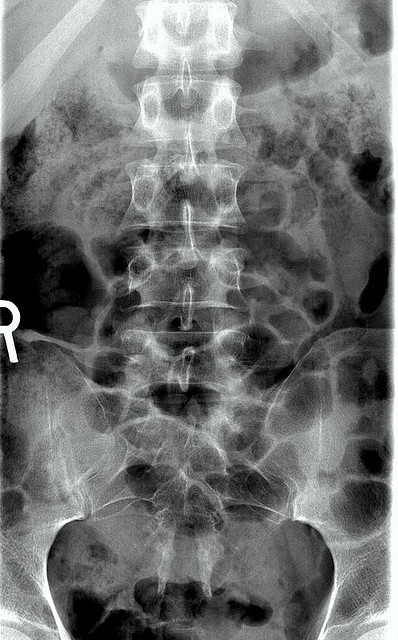 Suffering from chronic back pain is certainly miserable; it isn’t something you’d wish on your worst enemy. Thankfully modern medicine has provided many great minimally invasive back surgery options and treatments to help you find relief and start feeling better. Parts one and two of our Back Pain and Sciatica Relief Procedures series talked about many great treatment options including: endoscopic decompression, facet fixation, interbody fusion, radio frequency neurotomy and endoscopic nerve excision. Now we’re moving on to part 3: pain pump and spinal cord stimulators.
Medications can be an effective way to treat chronic pain, but they aren’t without side effects. When taken orally medications must pass throughout the entire body and a great deal must be taken to ensure enough is delivered to stop your pain. On the other hand when medication is delivered directly to the source of your pain, much less is needed. This means fewer side effects and more effective pain relief. We use a pain pump to deliver pain medication to the precise point where it is needed.
The pain pump is surgically implanted under the skin of your abdomen and a small catheter is run from the pump to the spinal column. The pump and catheter deliver pain medication directly to the spinal fluid. This results in potent pain relief, with relatively low doses of medication. The pain pump is best suited for those with chronic severe pain. We may use it on patients that haven’t responded well to other treatment options and that have had severe side effects like sedation, constipation or nausea from oral medications.
Getting a pain pump installed is a two-step process. We first use a temporary catheter to test out the effectiveness of the treatment on your body. If the trial proves successful we then schedule the pain pump surgery. The actual surgery usually takes a couple of hours and you can go home the same day. Your pump will need to be refilled every few months depending on the type of medication used and the dosage received. Refilling the pump just takes a few minutes and can be done without surgery.
If you suffer from chronic pain, contact us and see if the pain pump could help you to better cope.
Spinal Cord Stimulators
Spinal cord stimulation uses a small implanted device to deliver electrical signals to the spinal nerves. This type of stimulation can have analgesic (pain relieving) properties. It is an invasive procedure and isn’t right for everyone, but it can prove effective for the right patients and help them find relief from chronic back pain.
In our offices we typically use spinal cord stimulation when other options have failed. It is effective in treating failed back surgery syndrome, complex regional pain syndrome and other conditions. If you are interested in this treatment, contact our offices; we would love to discuss your options.
During the procedure a small stimulator device is implanted under the skin, typically in the lower back or buttocks. A thin wire travels from the device to the affected area. When the device is turned on patients report feeling a tingling sensation as the low electrical current stimulates the nerves. Some people find the tingling uncomfortable, so we typically test the effectiveness of your body’s response before implanting a device.
To learn more, comment or suggest topics of interest to you, click here.
Read morePlease follow us on our YouTube channel.
- Category: News
- No Comments
You can find out more about surgery techniques our providers use and hear our patient testimonials.

Back Pain and Sciatica Relief Procedures: Part 2
- Category: Articles, Back Pain, More About Us, News, Treatments for Back pain
- No Comments
Here at the Spine Institute Northwest we are always striving to find new and innovative ways to offer our patients back pain and sciatica relief. We have many great minimally invasive surgical procedures available and skilled surgeons with years of experience ready to bring you relief. In part one of this series we talked about endoscopic decompression, facet fixation and interbody fusion. In part two we’ll discuss a couple more procedures: radio frequency neurotomy and endoscopic nerve excision. Our goal is always to help you feel better. Contact us today and see what we can do for you.
Radio Frequency Neurotomy
Radio frequency neurotomy is a procedure that deadens a nerve that is causing pain. This can result in extended pain relief that can last for months and sometimes even years. The radio frequency treatment interrupts the nerves ability to transmit pain signals through the use of thermal heat.
This procedure is done using fluoroscopy, a special type of x-ray that shows live images. We make a small incision and then guide the special radio frequency needles to the affected area. Once the needles are in place we apply thermal energy.
This procedure is completed rather quickly. We do it in our outpatient surgical center and it generally takes less than an hour with a short period of observed recovery time. The results are not completely permanent, but they are long lasting. Depending on how your body responds we may need to complete the procedure again in 6 months to a year. Some patients have pain relief for even longer periods of time.
After the procedure you will be a bit sore, primarily at the area of needle insertion and heat treatment. We recommend taking it easy for a day or two before resuming your regular activities. We’ll discuss specific recovery instructions at the time of your procedure. Radio frequency neurotomy can be an effective procedure for reducing back and neck pain. It is minimally invasive and has an easy recovery process .
Endoscopic Nerve Excision
Endoscopic nerve excision is very similar to the procedure we just discussed. Excision is a medical word meaning removal. During this procedure we remove a nerve that is transmitting pain signals. Although the root cause your pain may still exist, the removal of the nerve causes you to no longer feel the pain.
The major difference between needle RF and this procedure is the use of endoscope. We make a relatively small incision and guide the procedure using an endoscope and fluoroscopy to improve targeting and to reduce the amount of tissue damage. This makes recovery easier, reduces scarring and makes the procedure less painful.
By removing the nerve rather than just deadening it, we can create long lasting results. However, this doesn’t mean that pain will not return. Since this procedure is very new, the current research has tracked outcomes only for the past couple years, yet with satisfactory and very promising long term pain relief results.
Recovering from a nerve excision will take only a bit more time compared to needle Radiofrequency neurotomy. We generally recommend that you take it easy for several days after your procedure. We will provide specific instructions about what you can and cannot do in our offices. You may feel pain and soreness at the surgery site for a few days after the procedure. We typically ask that you have someone else drive you home.
If your back pain is caused by a facet disease, we may able to relieve your pain through one of these two procedures. By removing or deadening the affected nerve we can lessen your pain and increase your comfort levels. Call our offices today and schedule an appointment so we can determine if this procedure is right for you. We bring quality minimally invasive spine surgery to the Seattle area. You don’t have to live with chronic pain; there are many options available.
Don’t forget to check back on our blog. Part three which covers the pain pump and spinal cord stimulators is coming soon.
Read more
Back Pain and Sciatica Relief Procedures: Part 1
One of the many benefits of modern medicine is a wide variety of different surgeries and procedures to bring you back pain and sciatica relief in Seattle. We are pleased to offer many of the latest procedures in our offices. To help you better understand some of the options that may be available to you, we are going to highlight several minimally invasive back surgery options. Your doctor can help you decide which is right for you. Stay tuned; with so many great procedures, this is going to take three blog posts to cover.
Endoscopic Decompression
Conditions treated: spinal stenosis, bulging/herniated disc, pinched nerves, bone spurs, sciatica, arthritis of the spine, foraminal stenosis.
Endoscopic decompression is a revolutionary procedure unlike any previous surgical option. It is minimally invasive and uses the latest technologies to make the easier recovery and effective pain relief. We make a small incision near your spine through which an endoscope (also known as an arthroscope) to see your spinal column. We can find and visualize damaged discs and repair them from the inside. Damaged tissue is removed and bulging discs are shrunk back to the proper size using lasers and radio frequency (RF).
Since this procedure is done endoscopically it minimizes pain, recovery time and tissue damage. Previous surgeries required cutting through the adjacent muscles and tissue, which could lead to long and difficult recoveries. Scarring is also very minor, typically only the 1 inch incision marks. This procedure minimizes recovery, but can be quite effective. We use local anesthetic and intravenous sedation and can often perform the procedure in our own outpatient surgical center.
This minimally invasive surgery takes about 90 minutes per disc with about an hour of recovery time in our offices. After the procedure you will need to spend some time on bed rest while your body heals and recovers. We will schedule appointments with you to monitor your progress. Many of our patients notice immediate pain relief, while others take a little more time to notice the results. The ultimate goal of this surgery is to provide long lasting back, neck, leg or spine pain relief.
Interbody Fusion and Facet Fixation
Conditions treated: degenerative disc disease, facet joint disease, spinal stenosis, bulging/herniated disc, pinched nerves, bone spurs, sciatica, arthritis of the spine, foraminal stenosis, .
We use the facet screw to stabilize the spine and to make fusion procedures more effective. The facet fixation procedure can provide pain relief for those with a variety of conditions including Degenerative Disc Disease (DDD). Basically this procedure helps provide stabilization to the back and spine when intervertebral disc degenerates and no longer can provide stability and support and/or when facet joints degenerate. When this happens, the adjacent vertebras collapse and the spinal nerves get compressed. This procedure is like fixing a broken bone; its intent is to join one vertebra to another.
Stabilization of the spine is done by using facet screws and an intervertebral implant.Depending on patient condition, facet fixation can be done on its own or combined with the intervertebral implant.
Unlike many of our procedures, this one typically brings relief, but cannot make your back as good as new. We hope to bring significant improvement, but complete pain relief is not typically possible. It will take between 6 months and 2 years for the bones to fuse together and during this time you will need to be careful to avoid injury. We find that this procedure can improve quality of life and help you feel better while slowly returning to your regular activities. Yet majority of our patients report great satisfaction with this minimally invasive lumbar fusion surgery.
These are just a few of the many surgeries we offer at the Spine Institute Northwest. Many of these procedures are very complex and need a skilled surgeon. Our doctors are experts in the pain management field and will help you find the right procedure for your problem. Contact us today and improve your quality of life. We bring quality spine care, skilled surgeons and friendly staff to those in Seattle and the surrounding areas. Be sure to watch the blog for part two of the series where we will cover radio frequency neurotomy and endoscopic nerve excision and part three covering the pain pump and spinal cord stimulators.
Read more

